The first time I treated a woman in her late fifties who ran a busy flower shop, she asked for one thing: “I want my customers to see my eyes again.” Not a frozen forehead, not a new face, just less of the heavy, tired look that settled in over the last decade. That request is common after 50. Aging changes how muscles pull, how skin reflects light, and how we should use Botox if the goal is to look awake and rested without shouting, “I had work done.”
This guide focuses on Botox choices and techniques that suit faces over 50. It will cover realistic dosing, what to expect in the first days, how to avoid the overdone look, and when to add other treatments. The aim is subtle lift, softer lines, and more open eyes, while keeping expression intact.
What Botox does, and why it matters after 50
When people ask what is Botox used for, the short answer is selective muscle relaxation. Botulinum toxin type A interrupts the nerve signal to targeted facial muscles. That softens dynamic wrinkles that form with expression. Common sites are frown lines between the brows, forehead lines, and crow’s feet. It also helps with chin dimpling, neck bands, gummy smile, downturned mouth corners, and sometimes a subtle brow lift. Off the face, it treats excessive sweating in underarms, hands, and feet, and it can reduce jaw clenching and teeth grinding. Some patients see migraine relief.
" width="560" height="315" style="border: none;" allowfullscreen="" >
How does Botox work for wrinkles in real life after 50? Expression lines are often etched into the skin by then. Botox quiets the muscle activity, which smooths motion lines quickly. Etched-in grooves may not fully vanish with Botox alone because collagen and elastin are thinner. That is not a failure of treatment. It is a sign that we may pair Botox with other options like filler for smile lines vs filler around the mouth, or with laser treatments for texture.
Timing and staying power
You will feel nothing on day one beyond a few tiny pinpricks. How long does Botox take to work? Mild softening typically appears around day 2 to 4, with clear change by day 7. Most patients see Botox peak results when they hit the two week mark. That is when small tweaks or a touch up are considered.
How long does Botox last on face depends on the area and individual metabolism. Three months is common. Four months happens often, and some women in their fifties stretch to five with conservative forehead dosing. If you ask how often should you get Botox, a safe rhythm is every 3 to 4 months for the upper face. For masseter slimming or neck bands, intervals can be a little longer once goals are reached.
Does Botox wear off faster with exercise? Not in a dramatic way, but very high frequency, high intensity training can shorten the duration by a few weeks in some people. Hydration, sleep, and stress management can help support better skin quality, even if they do not directly change how long the toxin binds. Hormonal shifts in perimenopause and menopause can affect skin and muscle tone, which may nudge dose or frequency slightly.
Where it helps most after 50, and realistic unit ranges
The right dose is less about age and more about muscle strength, brow position, and skin quality. Still, typical ranges help set expectations when you ask how many units of Botox do I need.
For the frown lines between the brows, known as the glabella, women usually need 12 to 20 units. Heavier scowling muscles or deeper elevens may need up to 25. This area is foundational because overactive glabellar muscles drag the brows inward and down. Calming them often gives a small lift and opens the eyes.
Forehead dosing is the most nuanced in women over 50. How much Botox for forehead? Typically 6 to 12 units in women with balanced brows. You want enough to soften horizontal lines without causing brow heaviness. If the brows sit low or the lids are a bit hooded, conservative forehead dosing is safer, combined with full glabella treatment. Over-treating the forehead can trade lines for a flatter, drooped look. That is the classic overdone problem in this age group.
For the smile lines around the outer eyes, how much Botox for crow’s feet often falls between 6 and 12 units per side. Keeping the twinkle while reducing creasing is the goal. Lighter dosing also preserves the natural upward sweep of the cheeks when you grin.
Frown line “11”s, forehead, and crow’s feet together often total 30 to 45 units for a soft, natural result in a woman over 50. Stronger musculature may push that to 50 or 60, but most do not need that much if the injector plans the pattern well.
Other targeted uses add polish. A Botox lip flip uses 4 to 6 units to relax the top lip and reduce a gummy smile. Bunny lines on the nose settle with 4 to 8 units. Chin dimpling smooths with 6 to 10 units. A subtle brow lift can be achieved with 2 to 4 units at the tail, carefully placed. For jaw clenching relief, 20 to 30 units per side in the masseters is typical. Does Botox slim the face when used in the masseters? Yes, over 8 to 12 weeks you may see a tapered lower face as those bulky chewing muscles reduce. It can also help jaw pain for grinders.
Natural results without the frozen look
Does Botox freeze your face? It should not. Frozen results come from three main mistakes. First, ignoring the brow position and plastering the entire forehead. Second, using the same cookie-cutter dose on every face. Third, chasing every tiny line regardless of its role in expression.
Does Botox look natural when done right? Yes. The goal is to reduce the intensity of frown and squint lines while preserving animation. I often leave a hint of lateral forehead movement so the brows can lift a little when you are surprised. Around the eyes, I soften the crinkling closest to the temple and leave a sliver of movement more medially. It reads as friendliness rather than rigidity. If you tend to rely on facial expression to communicate, tell your Have a peek at this website injector. Botox for an expressive face takes a lighter touch and more selective placement.
Preparing the skin and the plan
For a first visit, I spend half the appointment moving through expressions and watching how the face works. Women over 50 often use compensatory lifting. The frontalis raises the brows to counter mild eyelid heaviness. If you flatten that muscle too much, the eyes look tired. This is why a tailored plan matters more than your friend’s unit count.
When discussing how to choose an injector, focus on training, not hype. Board-certified dermatologists, facial plastic surgeons, and experienced nurse injectors under physician supervision do this work daily. Ask to see Botox before and after forehead, Botox before and after eyes, and not just studio-lit photos of 25-year-olds. Reviews can help, but look for comments about listening, subtlety, and follow-up. Red flags include pressure to buy large unit packages on day one, lack of a medical history review, and no offered follow-up at two weeks.
Here is a short checklist that helps your first visit go smoothly.
- Pause aspirin, ibuprofen, fish oil, and high-dose vitamin E for 3 to 7 days if your doctor says it is safe for you. This reduces bruising. Skip alcohol the night before to minimize vasodilation and bruising. Arrive with clean skin, no heavy makeup or sunscreen in the treatment zones. Bring a list of medications and supplements, and disclose any neuromuscular disorders or pregnancy. Safety first. Have reference photos of yourself looking rested and vibrant at the age you like, not at 20. This sets realistic goals.
What it feels like, and common worries
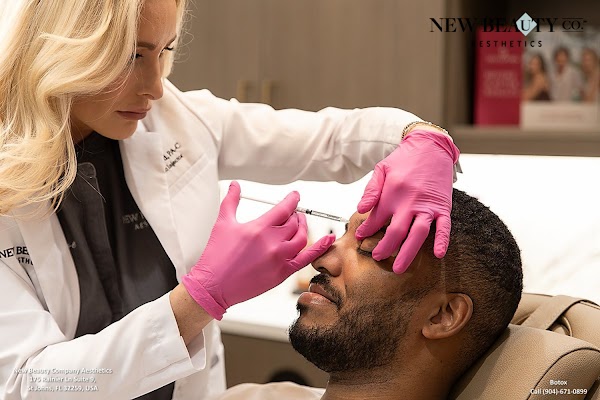
Does Botox hurt? Most describe it as quick pinches lasting seconds. I use small needles and may apply a cold pack. Some clinics use topical numbing, but for the upper face it is usually not needed.
Can Botox go wrong? Side effects are uncommon with proper technique, but they exist. Small bruises can occur. Short-lived headaches happen in a minority. Eyelid or brow heaviness can result from over-treating the forehead or toxin migration. Asymmetry can show if natural facial differences were not accounted for. Most effects fade as the product wears off. For a droopy brow, small corrective injections above the tail can help, or a gentle brow lift effect can be encouraged by precise dosing at the right time. If you feel you have Botox too much what to do or an overdone look, do not stack more toxin in an attempt to fix it. Wait, use a tiny dose of botulinum toxin in antagonistic muscles with expert guidance, and plan differently next cycle.
Aftercare that actually matters
The internet is noisy about what to avoid after Botox. You do not need to obsess, but the first 24 hours are not the time to mash your face into a massage table or go for a triathlon. Here are the high yield steps and answers to common questions.
- Can you exercise after Botox? Skip strenuous workouts for 24 hours. Light walking is fine. Can you lay down after Botox? Stay upright for 4 hours. Then sleep as you wish. Can you drink alcohol after Botox? Better to wait 24 hours. Alcohol can increase bruising. What not to do after Botox: avoid rubbing or massaging treated areas, hot yoga or saunas for 24 hours, and facials or microdermabrasion for about a week. Botox with skincare routine: you can use gentle cleanser and moisturizer the same day. Delay retinol or strong acids 24 hours. Botox with retinol is safe long term.
The first two weeks, day by day
Day 0 feels like you did not do much. Some see tiny blebs that settle within an hour. Makeup can be applied lightly after a few hours, but avoid heavy pressure. If there is swelling, it is minor and fades quickly. For botox swelling how long, expect a few hours to a day. For botox bruising how long, small bruises usually last 3 to 7 days and can be covered with concealer. Arnica can help some people, though evidence is mixed.
By day 2 to 3, crow’s feet crinkling may start to soften. Forehead lines begin to mellow by day 3 to 5. Frown strength decreases across the first week. This is the typical Botox results timeline day by day for the upper face. If anything feels uneven by day 10 to 14, a touch up can refine it. Botox touch up timing generally falls at the two week review, not sooner, because it takes that long to see the full effect.
Maintenance without the hamster wheel
A botox maintenance schedule that makes sense after 50 keeps the expression natural and the budget predictable. Many women come three times a year. Some come four. I like a pattern where we do consistent glabella and crow’s feet treatment, and a pared down forehead dose based on brow behavior that visit. This reduces the risk of heaviness and keeps the eyes open.
Does Botox prevent wrinkles? It can reduce the repetitive folding that deepens creases, so over time people often see less etching. That protective effect is more visible in preventative Botox for younger patients. In the fifties, think of it as damage control plus polish, not a time machine.
When results are not what you expected
Botox uneven results fix strategies include small balancing doses on the stronger side, or strategic placement in opposing muscles. Botox not working reasons include under-dosing, injector pattern that missed the dominant fibers, or very rarely, true resistance. Antibody formation is uncommon at cosmetic doses, especially with modern formulations. Botox wore off too fast why can be linked to low dose, high activity levels, rapid metabolism, or strong muscle mass in the area. Adjusting the plan usually solves it next round.
If you worry about botox long term effects, large-scale safety data across decades is reassuring at cosmetic doses. Muscles resume normal function as the neuromuscular junctions regenerate. No, it does not thin your skin. If anything, reducing harsh folding can make the skin look smoother over years. That said, chronic overuse in a single pattern can create new compensation lines elsewhere. Another reason to vary placement slightly visit to visit.
Beyond Botox: when to combine
After 50, lines at rest around the mouth and nose do not respond well to toxin. That is where the choice of botox vs filler for wrinkles matters. Filler supports the skin where fat and bone have resorbed, especially in the nasolabial and marionette zones. Botox softens the muscles that form lines with movement. Together they can give a balanced refresh. Plan sequencing carefully. Botox with fillers combined can be done in one visit by experienced injectors, or Botox can be placed first with fillers a week or two later after the muscles settle.
If texture, pores, and pigment concern you more than lines, think about botox vs laser treatments or botox vs microneedling or a light chemical peel. Lasers and microneedling target skin quality and collagen induction. Botox and collagen production are not directly linked, but reducing motion can help new collagen organize more smoothly after energy-based treatments. If you are considering botox with microneedling timing, try toxin first, wait about a week, then microneedle so you can avoid pushing product where you do not want it. Facials are generally safe a week later.
For oily skin or enlarged pores, micro-Botox techniques, placing tiny diluted doses very superficially, can reduce oil and refine texture in the T-zone. It will not treat acne bacteria directly, so does Botox help with acne is a soft yes at best, mostly through oil reduction. Classic skincare, benzoyl peroxide, or retinoids remain mainstays.
For migraines, evidence supports Botox for migraines effectiveness with specific dosing maps across the scalp and neck, often done by neurologists. That is a different protocol than cosmetic dosing and often covered under medical benefits.
For sweating, injections to underarms, hands, or feet quiet overactive sweat glands for 4 to 6 months. Botox for sweaty hands helps grip confidence, though the injections are more sensitive. Topical anesthetic and nerve blocks can make it tolerable.
First time tips, tailored to this decade
If you are seeking a botox for beginners guide in your fifties, start small. The first round sets a baseline. Botox first time tips I emphasize are simple: treat the glabella fully, go light on the forehead, and dial in the crow’s feet based on how you smile in photos you like. Ask your injector to leave a hint of lateral forehead motion so you do not feel sealed. Set your follow-up at two weeks on the day you book so small tweaks are easy. Take before photos on your own phone in consistent lighting.
Myths, facts, and the realistic middle
A few recurring myths complicate decisions. Botox myths and facts, short version:
It does not lift cheeks. It can lift brows 1 to 2 mm when placed correctly, which often makes eyes look brighter. It does not erase deep folds by the mouth. That is a filler or energy device conversation. It does not poison your body when injected in proper doses by trained clinicians. If someone promises six to eight months of effect in the forehead with tiny doses, that is marketing. Results that long do happen, but they are not the norm.
Botox dos and don’ts boil down to this: do prioritize a full medical intake, photos, and a personalized plan. Do not chase every fine line on the first visit. Do commit to sunscreen. Botox and sunscreen importance cannot be overstated. Ultraviolet exposure breaks down collagen and will fight every dollar you spend on injectables. Add vitamin C in the mornings if your skin tolerates it. Botox and vitamin C serum play well together as part of a simple routine.
When Botox is not enough
Deep horizontal neck bands in the fifties may need both toxin and skin tightening, or even surgical consultation if laxity drives the issue. Heavy upper lids with significant skin excess may not respond to low forehead doses and small brow lifts. If you lift your brow in the mirror and the lid still drapes, that is a blepharoplasty conversation, not a Botox fix.
Smoker’s lines that persist at rest typically need filler, energy devices, and skincare. Moderate to severe volume loss around the temples and cheeks may cast shadows that look like wrinkles. Strategic filler there often brightens more than adding more Botox to the crow’s feet.
Safety at the clinic level
A short safety checklist goes a long way. Products should be from the original manufacturer, stored properly, and reconstituted with sterile saline. Your injector should explain risks and have you sign informed consent. The space should look medical, not like a pop-up party with no sharps disposal. If you ever feel rushed, or your questions are brushed aside, leave. There are no Botox emergencies that require you to act in five minutes.
Price and value judgments
Is Botox worth it or not depends on your goals. For women over 50 who feel their face reads more tired or stern than they feel, softening the glabella alone often delivers noticeable relief. Add crow’s feet if squinting etches makeup into lines. The forehead is the add-on, not the headliner, in this age group. That order keeps you away from the stiff or heavy look. Budget for maintenance. If you must choose, prioritize the area that most changes how you read in photos and conversation.
Subtle signals that tell you it is working
You will know the balance is right when mascara smudges less at the outer corners, your sunglasses do not emboss lines on your cheeks by lunchtime, and your forehead still lifts a little when your grandchild surprises you. Makeup often sits better after a light brow lift effect. Foundation creasing around the crow’s feet eases. Photos catch your eyes first, not the lines around them. Those are the small wins I look for with Botox natural results tips.
Special considerations for metabolism, hormones, stress, sleep, and hydration
Midlife brings shifts that influence skin and muscle tone. Estrogen decline reduces collagen, hyaluronic acid, and sebum, which means skin is drier and less elastic. That affects how etched lines appear. It does not change how the toxin binds, but it shapes expectations for what toxin alone can do.
High stress can amplify clenching and frowning, burning through results faster in those zones. If you suspect stress impact, consider treating the masseters for jaw clenching relief and reviewing sleep. Does sleep affect results? Indirectly. Poor sleep worsens fluid retention and dulls skin, which can make you think results faded when they have not. Hydration supports skin plumpness. Diet plays a supporting role. Protein provides building blocks for repair, and varied produce backs antioxidant defenses. None of these replace Botox, but they help you get more out of it.
The small print on trends and what matters now
Botox trends 2026 favor quieter, tailored results over high-gloss perfection. Brow shapes are softer. Lip flips are used sparingly. Patients ask about camera ready skin that still moves. Botox for makeup application can be a happy side effect when lines do not crease product, but pore and texture work usually come from skincare, peels, or light devices. For office workers on video calls, a calm glabella makes a big difference in how approachable you appear. Men benefit too, with dosing adjusted for stronger muscles. But for women over 50, the north star remains the same: open the eyes, soften the scowl, respect the brow.
Putting it all together for a face over 50
A balanced plan might look like this. Treat the glabella with 16 to 20 units to ease the pull downward. Use 6 to 8 units across the crow’s feet per side to soften, not erase. Place 6 to 10 units in the forehead in a staggered pattern that stays at least 1.5 to 2 cm above the brow to preserve lift. Consider 2 units per side at the brow tail for a hint of elevation if the lids are heavy. If clenching is a complaint, discuss 20 to 25 units per masseter per side. Review in two weeks, and adjust by 2 to 4 units where needed. Schedule the next visit in 12 to 16 weeks. If static lines persist at rest, plan filler or energy-based treatments in the right zones, not more toxin.
And keep the aftercare simple. Stay upright for a few hours, skip the hard workout until tomorrow, avoid rubbing or hot saunas for a day, and protect your skin with sunscreen. That is it. The rest is patience across the first week as the results settle.
When a woman tells me after her two-week check, “People keep saying I look rested, but they can’t point to why,” I know we hit the mark. That is the refresh without overdoing it. It is not about deleting every line. It is about returning your face to how it reads on a good day, with your eyes leading the conversation.